
You Choose the Direction. I Help You Understand the Why and the How
One of the most common things I hear from photographers — especially those learning landscape photography — is:
“There’s so much to learn, I don’t know where to start.”
And they’re right.
Landscape photography isn’t one thing. It’s a broad, creative umbrella made up of many different approaches, each with its own challenges, rewards, and ways of seeing. Trying to tackle all of them at once usually leads to overwhelm, frustration, and very little progress.
That’s why I take a pragmatic approach.
Don’t worry about sounding professional. Sound like you. There are over 1.5 billion websites out there, but your story is what’s going to separate this one from the rest. If you read the words back and don’t hear your own voice in your head, that’s a good sign you still have more work to do.
Be clear, be confident and don’t overthink it. The beauty of your story is that it’s going to continue to evolve and your site can evolve with it. Your goal should be to make it feel right for right now. Later will take care of itself. It always does.
You choose the direction.
I help you understand the why and the how.
When you understand why you’re doing something, and how to approach it simply and deliberately, confidence grows — and so does enjoyment.
Below are some of the most popular focus areas I work through during one-to-one sessions, explained through that lens.
Sunrise & Sunset Photography
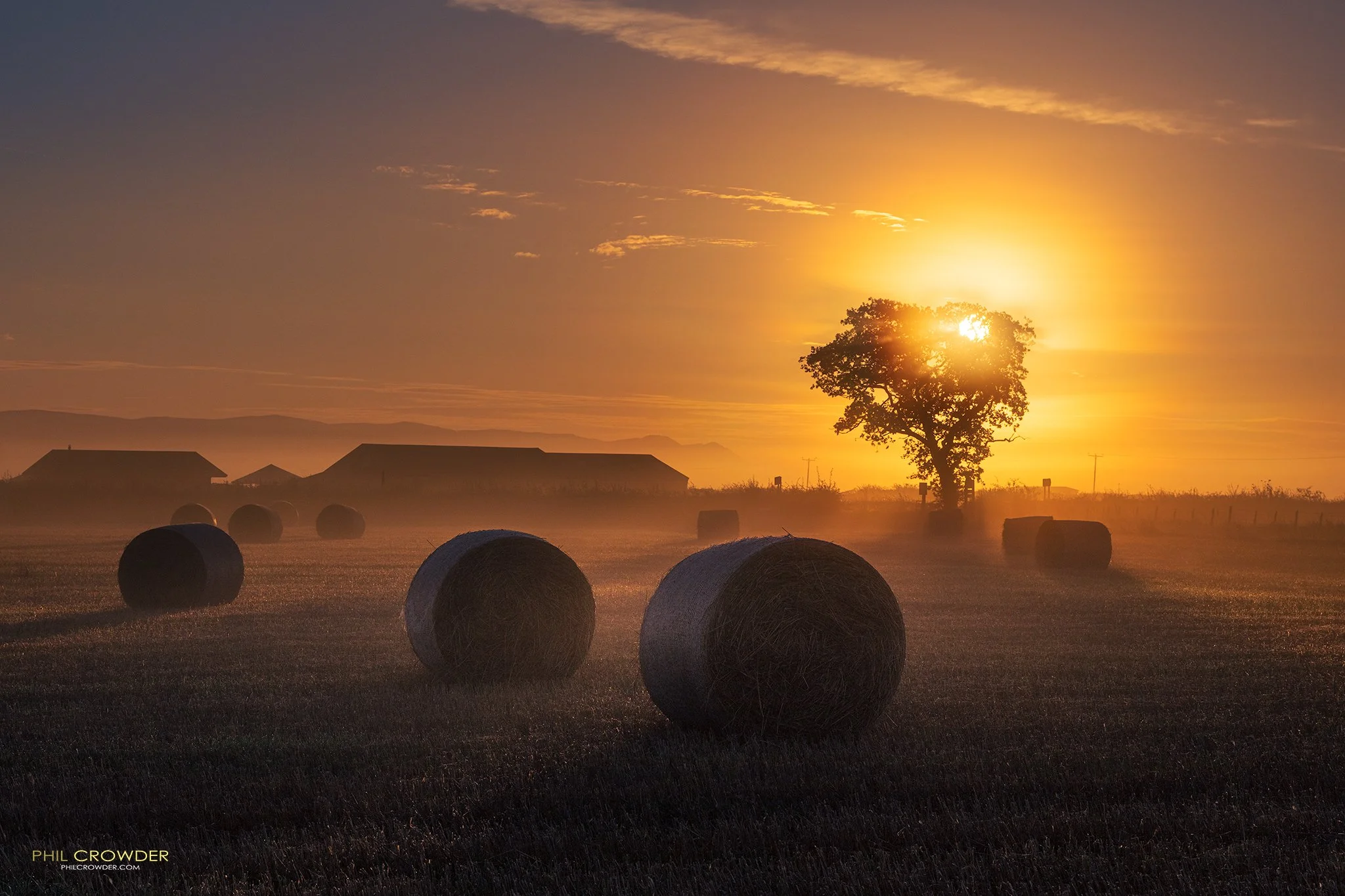
Fanders Moss - Sunrise
Why timing matters — and how to work with fleeting light
Why
Sunrise and sunset remain popular for a reason. Low-angle light reveals shape, texture, and depth that simply doesn’t exist at midday. Colour shifts quickly, shadows lengthen, and the landscape feels alive.
But the real appeal isn’t just colour — it’s change. These moments teach you to observe, anticipate, and respond rather than react.
How
Instead of chasing dramatic skies, we focus on preparation:
• Understanding when light will peak, not just when the sun rises or sets
• Positioning yourself for shape and direction, not just colour
• Learning when to stop shooting and simply watch
The goal isn’t dozens of frames — it’s recognising the moment that matters.
Woodland Photography
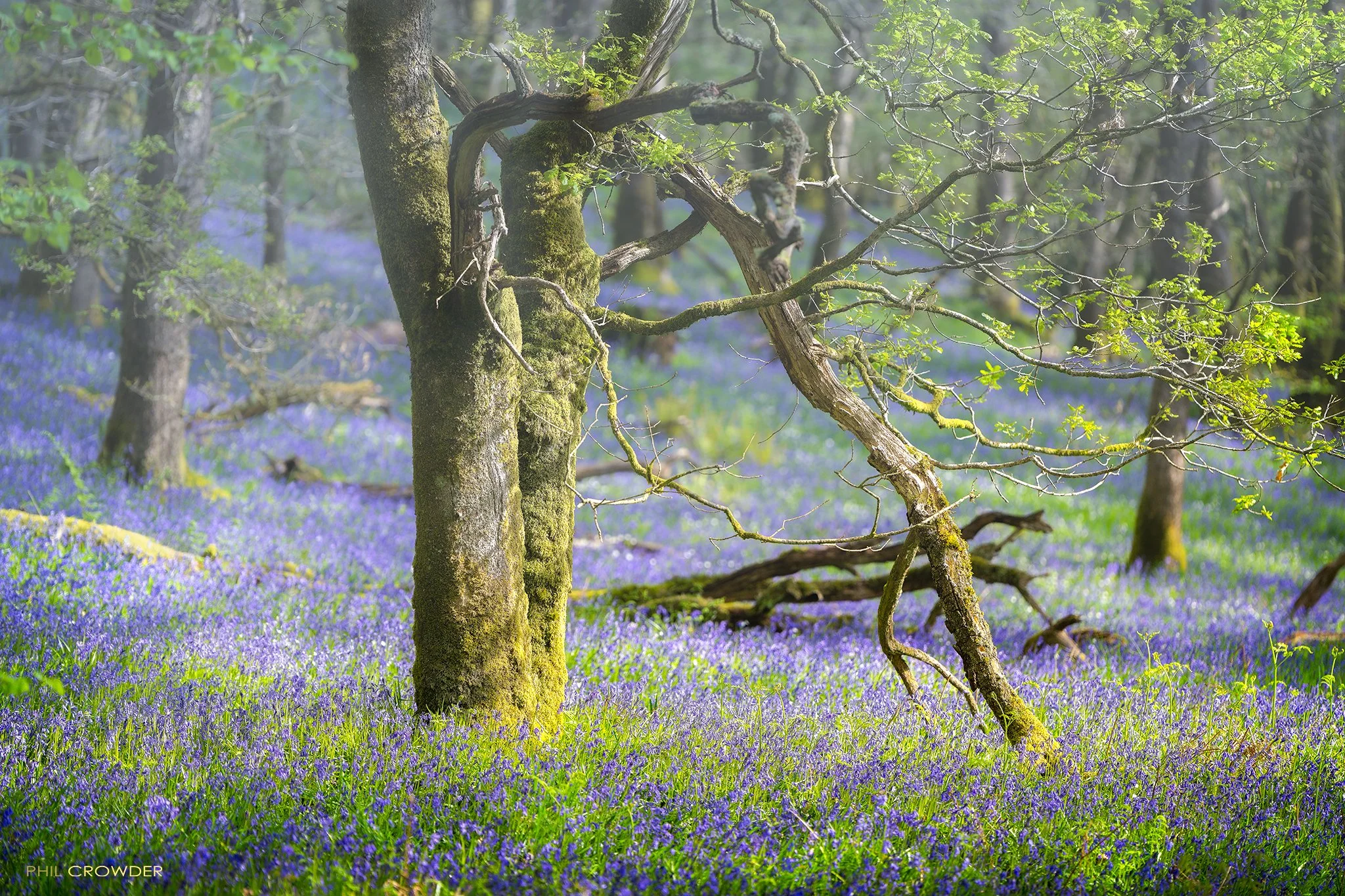
Native Woodlands & Bluebells
Why subtlety builds stronger photographers — and how to see in complexity
Why

Woodlands are often avoided because they feel “messy.” In reality, they’re one of the best environments for learning to see photographically. Light is filtered, contrast is reduced, and compositions must be intentional.
Woodland photography slows you down — and that’s exactly its strength.
How
We strip things back:
• Learning to isolate shapes, textures, and light paths
• Simplifying busy scenes through lens choice and viewpoint
• Working with muted tones rather than fighting them
This is where patience and observation start to replace guesswork.
Long Exposure
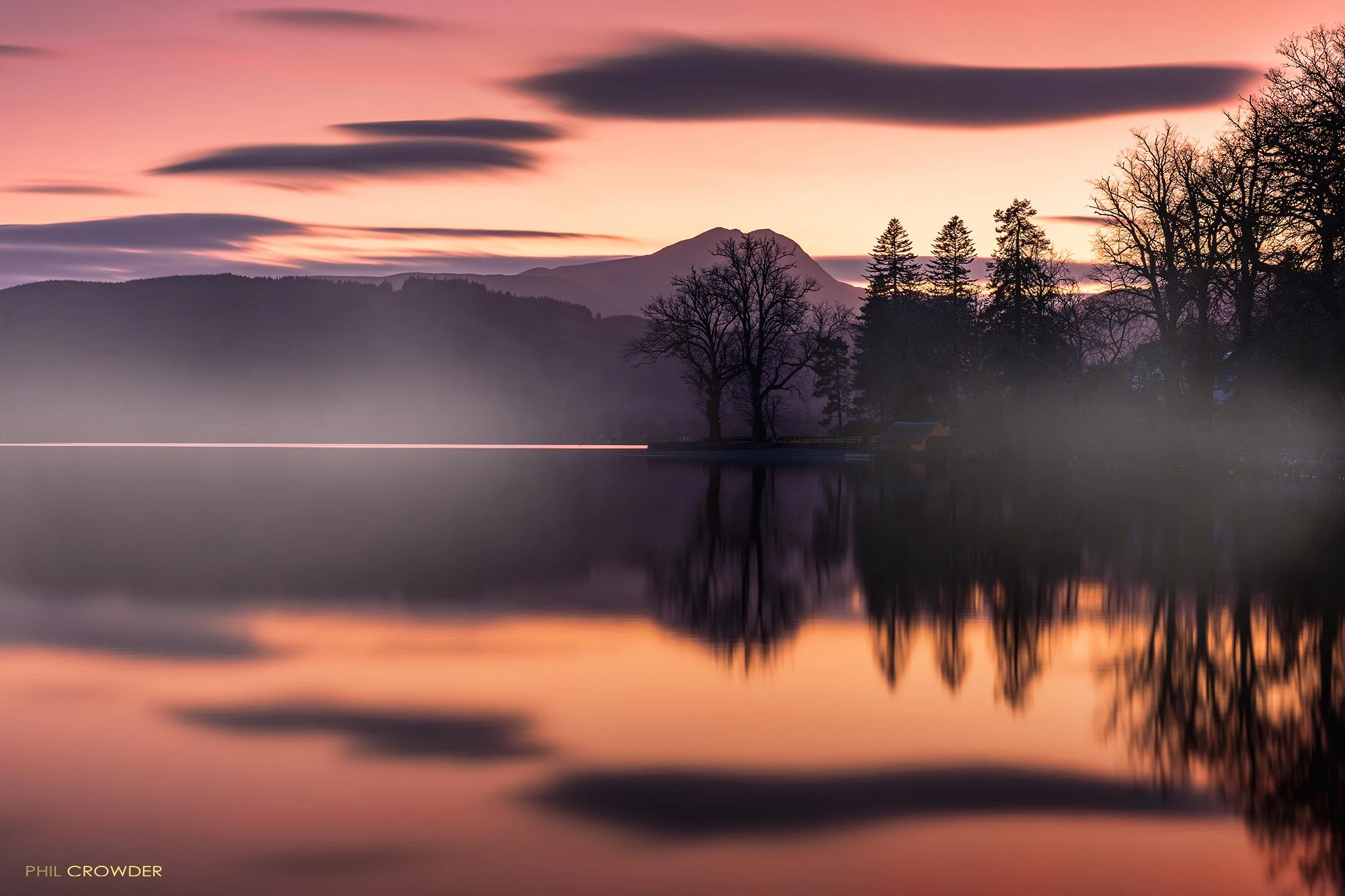
Long Exposure - it allows the Sky to ‘Move’ & ‘Calms’ the Loch (Loch Ard)
Why time changes how a photograph feels — and how to use it purposefully
Why
Long exposure isn’t about smoothing water for the sake of it. It’s about changing the emotional pace of an image. Movement becomes calm. Chaos becomes order. Time becomes visible.
It teaches restraint — knowing when longer is better, and when it’s simply longer.
How
We focus on intention first:
• What do you want to remove from the scene?
• What movement should remain?
From there, the technical side becomes straightforward:
• Shutter speed choices that suit the scene
• Using filters as tools, not crutches
• Maintaining sharpness where it matters
Long exposure becomes a decision, not a default.
Wide-Angle Landscape

This is ‘Extreme Wide Angle’ using a tilt & shift lens it’s approx a 14mm focal length - Loch Lomond
Why foreground matters — and how to create depth and connection
Why
Wide-angle lenses don’t capture “more” — they exaggerate relationships. Used well, they pull the viewer into the scene. Used poorly, they create empty, distant images that lack impact.
Learning wide-angle properly teaches spatial awareness and storytelling.
How
We slow everything down:
• Building compositions from the foreground backwards
• Understanding perspective and camera height
• Learning when wide-angle adds drama — and when it dilutes it
It becomes less about fitting everything in, and more about guiding the viewer’s eye.
Close-Up & Macro
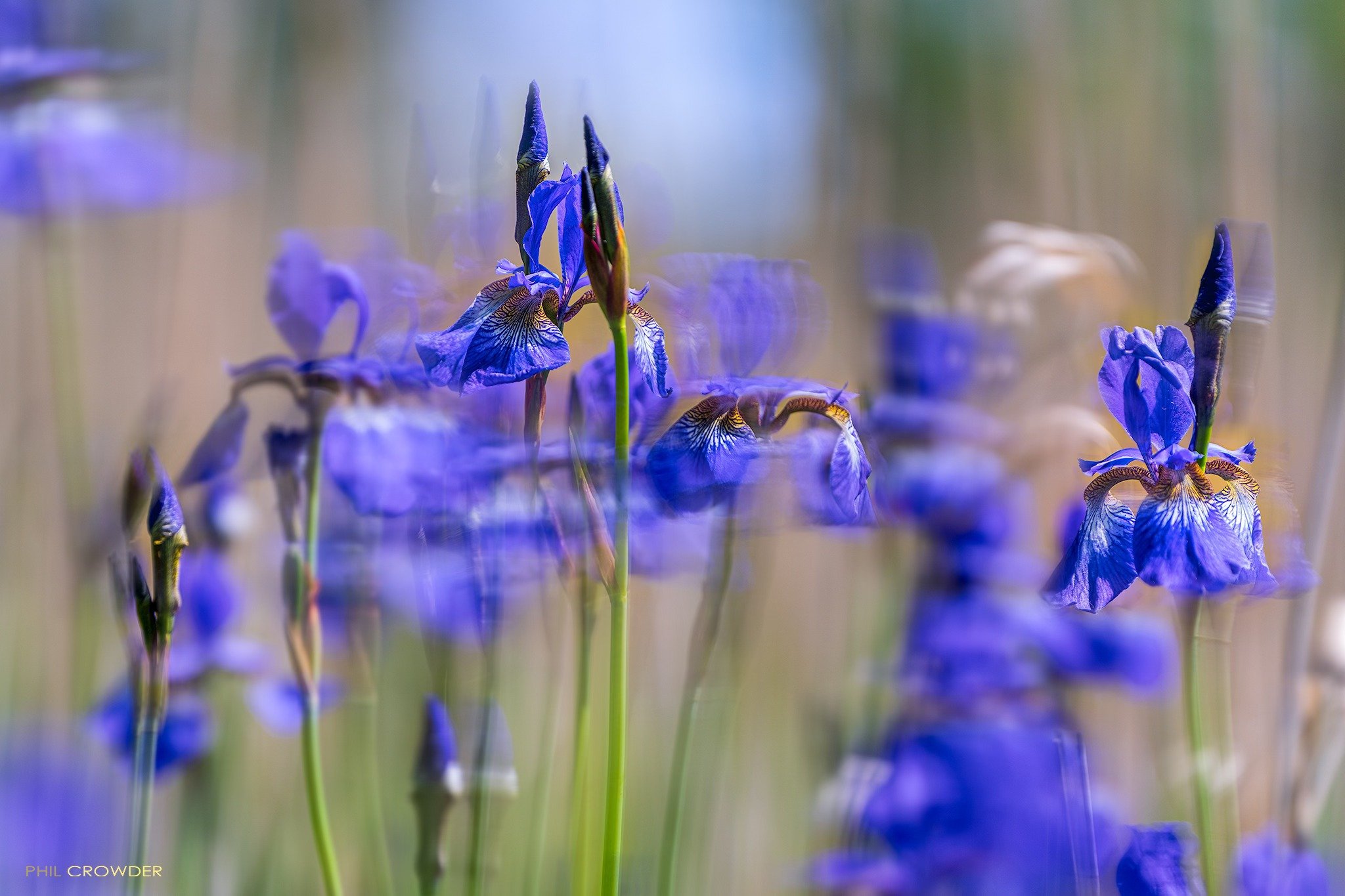
This is two images blended together one for stillness & one for movement - a little creative
Why small details matter — and how to find photographs anywhere
Why
Close-up photography trains your eye to see detail, pattern, and intimacy. It removes the pressure of epic locations and perfect conditions and proves something important:
Great images don’t require grand scenery.
This genre builds confidence quickly — because opportunities are everywhere.
How
We focus on:
• Light quality rather than quantity
• Background control and separation
• Stability and precision without overcomplication
You learn to slow down, observe carefully, and work with intention — skills that translate directly back into wider landscapes.
Intentional Camera Movement (ICM)
Why letting go of perfection can unlock creativity — and how to do it with control
Why
ICM isn’t about accidents. It’s about expression. It allows you to step away from literal representation and explore mood, rhythm, and abstraction.
For many photographers, it’s also incredibly freeing.
How
Structure comes first:
• Understanding shutter speed and movement direction
• Learning repeatable techniques rather than random gestures
• Reviewing results critically to refine control
Once the foundation is there, creativity takes over — with purpose rather than luck.
Why Focusing Matters
Trying to cover every genre in a single day usually results in shallow learning and scattered confidence. Instead, choosing two or three focus areas allows time for:
• Understanding why each approach works
• Practising how to apply it effectively
• Reflecting on what resonates with you
You don’t need to master everything. You need clarity, confidence, and momentum.
A Pragmatic Path Forward
Landscape photography doesn’t need to be complicated to be meaningful.
When you choose the direction — and understand the why and the how — progress becomes natural. Confidence replaces guesswork. And photography becomes something you enjoy, not something you wrestle with.
That’s the heart of how I teach.
Not more information — just better understanding.