
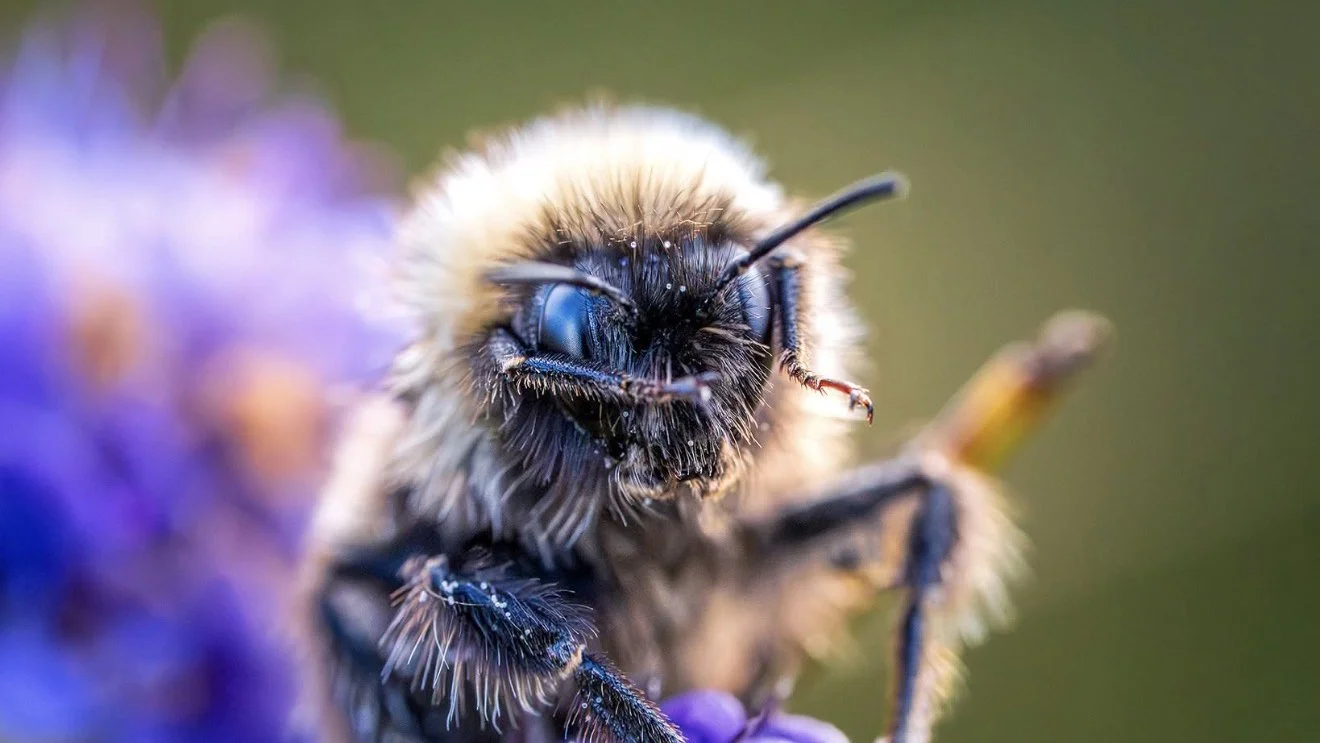
Macro & Close-Up Photography in Scotland: Detail, Depth and Story
“Learn the difference between macro and close-up photography in Scotland’s woodlands. Discover techniques for depth of field, light, and storytelling. Join guided photography workshops..”
Field Notes: Macro &
Close-Up
Macro creates drama through isolation. Fine detail, sharp focus, and shallow depth of field draw attention to texture and form.
Close-up introduces depth—layering subject, background, and atmosphere to create a more immersive, natural feel.
Knowing when to use each is key to strong, intentional photography.
Get Low – for Perspective
Shooting at your subject’s level transforms both macro and close-up work.
It removes the feeling of looking down and replaces it with connection—placing the viewer within the scene rather than observing from above.
Use Depth of Field for Background Blur
A wide aperture and careful positioning allow you to control the background.
In macro: blur simplifies and isolates
In close-up: blur supports and enhances atmosphere
Distance between subject and background is just as important as aperture.
Creating Colour Contrast and Separation
Even with soft backgrounds, subjects can disappear if tones are too similar.
Look for:
Warm vs cool colour contrast
Light vs shadow separation
Clean, uncluttered backgrounds
This is what makes an image “pop” naturally.
Story Beneath the Trees
Woodland photography is not just about subjects—it’s about layers.
Moss, lichen, insects, flowers… all exist within a quiet, interconnected environment.
Macro reveals the detail.
Close-up reveals the story.
Seasonality in Macro & Close-Up Photography
Each season changes both subject and mood:
Spring: fresh growth, soft colour, delicate forms
Summer: richness, activity, pollinators
Autumn: decay, texture, muted tones
Winter: simplicity, structure, subtle detail
Understanding this allows you to plan for both styles.
Conservation and Responsible Photography
These environments are fragile.
Avoid disturbing habitats.
Do not move subjects unnaturally.
Work with the scene as you find it.
The goal is to observe and interpret—not interfere.
Macro & Close-Up Photography Workshops in Scotland
Guided photography experiences designed to help you understand both approaches, when to isolate, when to include, and how to create meaningful images in natural environments.
Explore More Field Notes
If you enjoyed this glimpse into the world of Macro & Close-Up, you’ll find many more stories from Scotland’s wild places throughout the site.
From Atlantic rainforest landscapes to seasonal wildlife encounters, the Field Notes section shares observations, photographs and how to’s from the forests, rivers and hills of Scotland.
Well, if you got this far - thank you, so here’s a little extra -
A Cheat Sheet if you will!
🔍 MACRO PHOTOGRAPHY CHEAT SHEET
Precise • Intentional • On Location
🎯 1. FIND THE SUBJECT
Ask: What exactly am I photographing?
✔ One detail (not the whole plant)
✔ Texture, pattern, or form
✔ A moment (dew, insect, decay)
➡️ If it’s not obvious… get closer or simplify.
🔎 2. SIMPLIFY THE FRAME
Macro gets messy fast
✔ Clean backgrounds
✔ One clear subject
✔ Remove distractions by:
• Changing angle
• Changing distance
• Using aperture
❌ Busy backgrounds
❌ Overlapping elements
➡️ “If it looks cluttered, it is cluttered.”
🌫️ 3. CONTROL THE BACKGROUND
This is HUGE in macro.
✔ Smooth, soft backgrounds
✔ Distant backgrounds = better blur
✔ Use natural colours (greens, browns, dark tones)
👉 Move yourself, not just the camera
➡️ “Backgrounds make or break macro.”
⚫ 4. USE DEPTH OF FIELD CAREFULLY
Depth of field is razor thin.
Starting points:
• f/2.8 – f/5.6 → soft, dreamy
• f/8 – f/11 → more detail
• f/16+ → maximum depth (risk of softness)
👉 Focus on the most important part
➡️ “Sharp where it matters—soft where it doesn’t.”
🎯 5. FOCUS WITH INTENT
✔ Focus on:
• Eyes (for insects)
• Leading edge (petals, leaves)
• Key detail (texture point)
❌ Don’t let the camera decide randomly
👉 Use manual focus or focus peaking if possible
➡️ “Focus defines the image.”
🌅 6. USE LIGHT WELL
✔ Soft light = best
✔ Early morning / late evening
✔ Overcast = ideal
✔ Look for:
• Backlight (glow, translucency)
• Side light (texture)
❌ Harsh midday sun
➡️ “Light reveals detail—or destroys it.”
🎨 7. CONTROL COLOUR
✔ Keep palette simple
✔ Watch for colour clashes
✔ Look for harmony or contrast (but not both fighting)
👉 Background colour matters as much as subject
➡️ “Colour should support the subject.”
🧭 8. STABILITY IS KEY
Macro exaggerates movement.
✔ Tripod (when possible)
✔ Steady hand technique
✔ Control breathing
👉 Even slight movement = missed focus
➡️ “Stability equals sharpness.”
🔁 9. ADJUST YOUR POSITION
Don’t just stand and shoot.
✔ Move left/right
✔ Change height
✔ Shoot through elements
👉 Small movements = big changes
➡️ “A few inches can transform the shot.”
⚠️ 10. PATIENCE WINS
✔ Wait for:
• Wind to drop
• Subject to settle
• Light to improve
➡️ “Macro rewards patience more than speed.”
⚡ 10-SECOND FIELD CHECK
✔ What’s my subject?
✔ Is the background clean?
✔ Where is my focus point?
✔ Is my depth of field right?
✔ Is the image steady?
Remember
“We’re not photographing small things…
we’re revealing what most people miss.”